

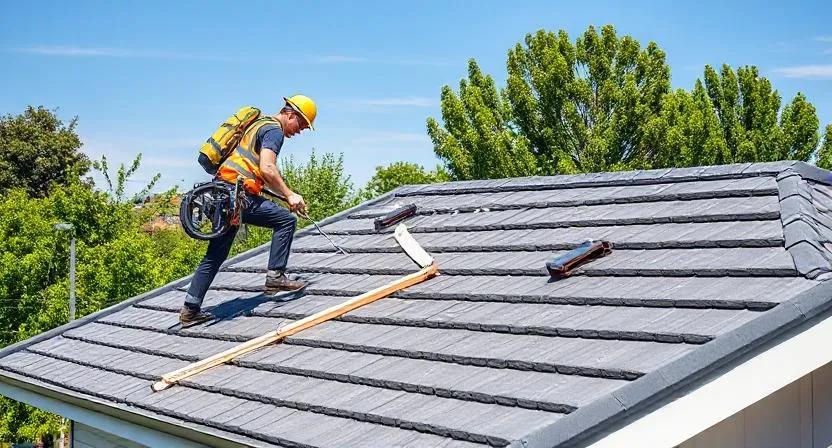
A roof is one of the most essential components of any property, providing protection, insulation, and long-term structural support. Choosing reliable solutions for Roofs Northgate plays a crucial role in safeguarding homes and buildings from weather exposure while maintaining comfort and efficiency. A well-built roof is not only about appearance—it is about durability, performance, and peace of mind.
The Role of Roofing in Property Protection
Roofs act as the primary barrier between a building and the external environment. Rain, wind, sunlight, and temperature changes all place continuous stress on roofing materials. Over time, even minor weaknesses can lead to leaks, damp, and structural damage.
Modern roofing systems are designed to withstand these challenges while offering improved insulation and ventilation compared to older designs.
Understanding Common Roofing Issues
Many roofing problems develop gradually and are often overlooked until noticeable damage occurs.
Common issues include:
Cracked or displaced tiles
Water penetration during heavy rain
Worn roofing membranes
Blocked drainage systems
Deterioration due to age
Addressing these issues early helps extend the lifespan of roofing structures.
Roofing Lifespan and Material Durability
Every roofing material has a natural lifespan influenced by climate, installation quality, and maintenance.
Typical lifespans include:
Felt roofing: 15–25 years
Asphalt-based systems: 20–30 years
Concrete tiles: 40–50 years
Clay tiles: 50+ years
Slate roofing: up to 100 years
Understanding material longevity helps property owners plan future upgrades effectively.
Types of Roofing Systems Used Today
Pitched Roofing Systems
Pitched roofs are widely used in residential areas due to effective water drainage and strong durability.
Common materials include:
Clay tiles
Concrete tiles
Natural slate
These systems offer both structural strength and traditional visual appeal.
Flat Roofing Systems
Flat roofs are often found on extensions and commercial buildings.
Popular options include:
Felt roofing
EPDM rubber roofing
GRP fibreglass roofing
Each system requires precise installation to ensure long-term performance.
Choosing the Right Roofing Materials
Material selection directly affects roof performance, maintenance needs, and visual consistency.
Clay and concrete tiles provide excellent weather resistance
Slate roofing offers unmatched longevity
Modern composite materials are lightweight and cost-efficient
Selecting suitable materials ensures a balanced combination of strength and practicality.
The Roofing Installation Process
Professional roofing follows a structured process to ensure quality and safety.
Initial inspection of the roof structure
Planning materials, insulation, and ventilation
Preparation of the roof framework
Installation of roofing materials
Final inspection and quality checks
This approach ensures long-term durability.
Insulation and Energy Efficiency
Roofing plays a key role in regulating indoor temperature.
Benefits of improved insulation include:
Reduced heat loss
Lower energy bills
Improved indoor comfort
Compliance with modern building standards
Modern energy-efficient roofing solutions contribute to sustainable living.
Ventilation and Moisture Management
Poor ventilation can lead to condensation, mould, and timber decay. Proper airflow within the roof structure helps regulate moisture levels and extend the lifespan of roofing materials.
Weather Resistance and Structural Stability
A high-quality roof must withstand:
Heavy rainfall
Strong winds
UV exposure
Seasonal temperature changes
Correct installation and material choice are essential for long-term resilience.
Residential Roofing Applications
Roofing solutions are suitable for:
Detached houses
Semi-detached homes
Terraced properties
Bungalows and extensions
Each property requires tailored roofing considerations.
Commercial Roofing Considerations
Commercial buildings require durable and low-maintenance roofing systems.
Common applications include:
Office buildings
Retail spaces
Warehouses
Mixed-use developments
Commercial roofing prioritises performance and longevity.
Health and Safety in Roofing Work
Roofing involves working at height and handling heavy materials.
Professional standards include:
Secure access systems
Protective equipment
Compliance with safety regulations
Safety is a fundamental part of all roofing projects.
Environmental Benefits of Modern Roofing
Modern roofing systems support environmental responsibility by:
Improving thermal efficiency
Reducing energy consumption
Using durable, long-lasting materials
Minimising waste
Roofing upgrades contribute to eco-friendly construction practices.
Maintenance and Ongoing Care
Routine maintenance helps extend roof lifespan.
Recommended practices:
Visual inspections
Clearing gutters and drainage
Addressing minor damage early
Consistent care prevents larger issues.
Long-Term Property Value
A well-maintained roof enhances:
Property safety
Structural reliability
Energy efficiency
Market value
Roofing improvements are a long-term investment.
Planning Roofing Projects Effectively
Proper planning ensures smoother execution.
Key considerations include:
Material selection
Weather conditions
Clear timelines
Professional planning reduces disruption and delays.
Final Overview
Roofing plays a critical role in maintaining a building’s integrity. Understanding materials, systems, and maintenance helps property owners make informed decisions.
Conclusion
A strong and dependable roof is essential for protecting any property against environmental damage and structural wear. Roofs Northgate represent the importance of quality materials, correct installation, and long-term planning. By focusing on Roofs Northgate, property owners can ensure durability, comfort, and lasting peace of mind.